




























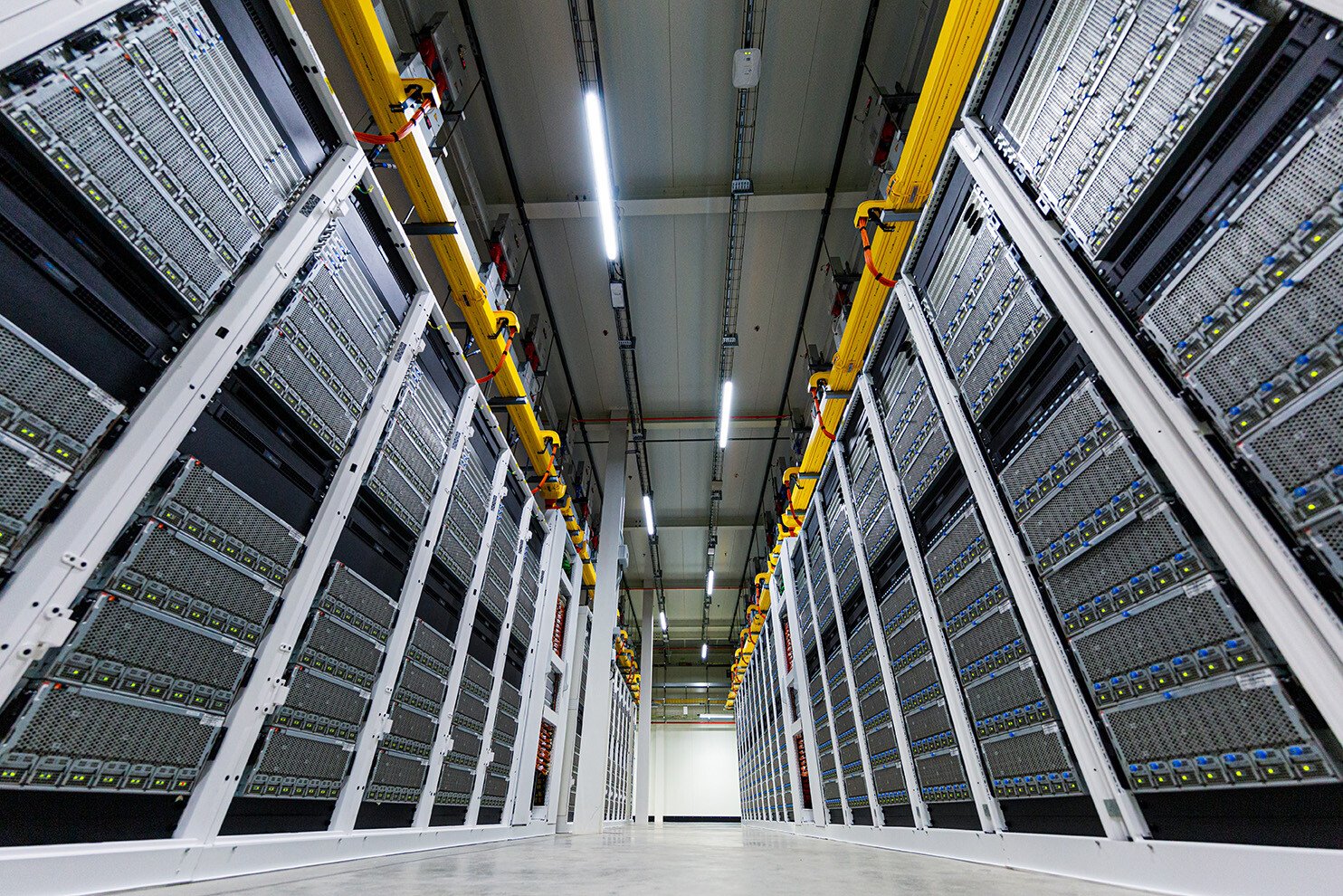
 As artificial intelligence, cloud computing, and digital transformation continue to drive demand for larger and more complex data centers, fire protection strategies must evolve alongside them. Today's facilities contain higher power densities, lithium-ion batteries, liquid cooling technologies, and increasing amounts of combustible materials, all of which introduce new fire risks.
According to insights shared by FM, modern data centers require a comprehensive fire protection strategy that prioritizes reliability, early detection, and rapid fire control.
FireFlex offers a range of integrated fire protection systems designed to address the diverse fire risks found in today's data centers. From clean agent protection for sensitive equipment to water-based suppression solutions for larger combustible hazards, FireFlex systems can be selected according to the application, hazard, and protection objectives.
Understanding Today's Data Center Fire Risks
While servers are often viewed as the primary concern, the greatest fire hazards extend far beyond the IT equipment itself.
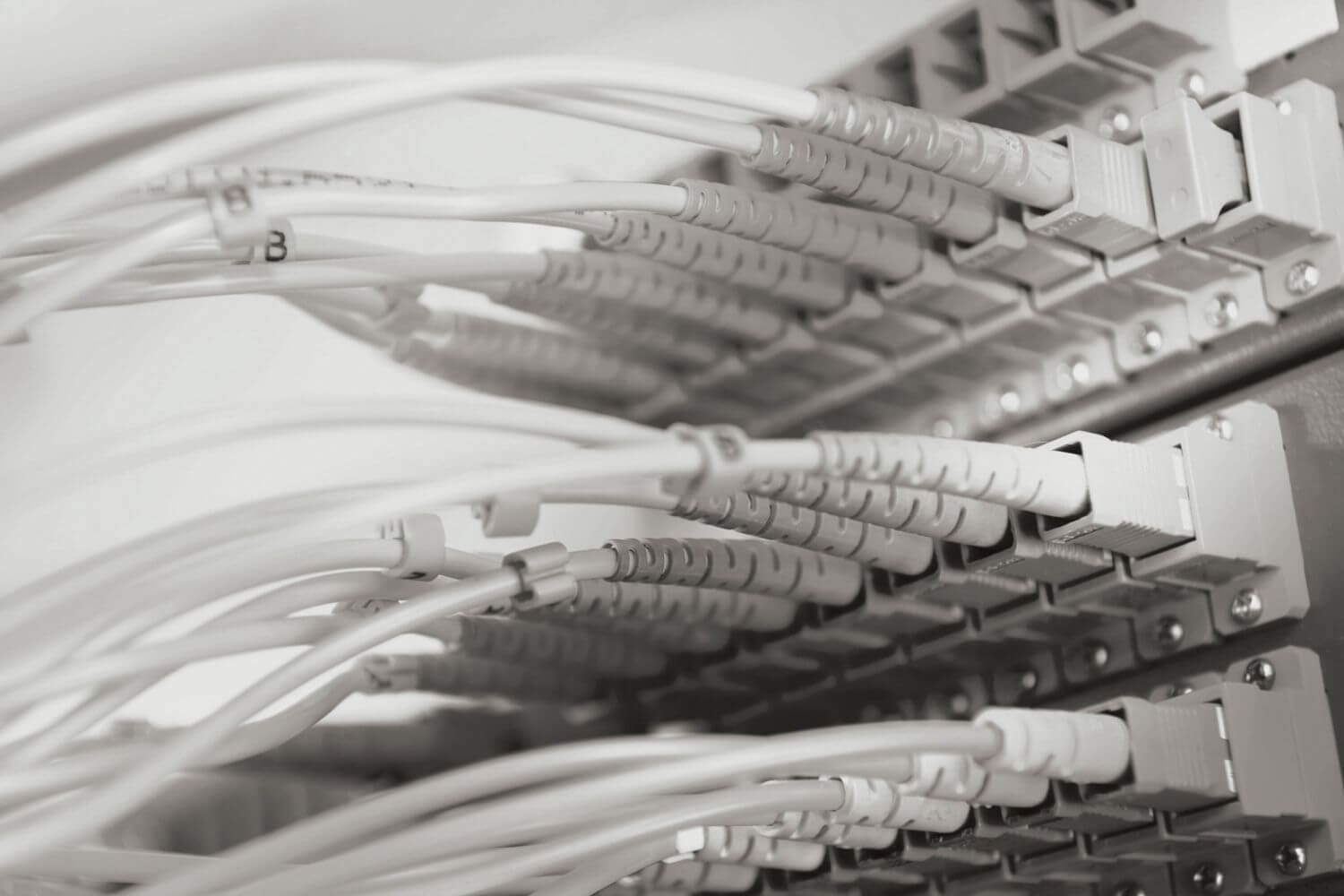
Plastics and Cabling
Power and communication cabling represent one of the largest combustible loads inside a data hall. Large cable bundles can contribute to rapid flame spread if not properly selected and installed.
Other plastic components, including cable trays and aisle containment systems, can also influence fire growth while affecting sprinkler performance and smoke detection if not properly designed.
For these areas, water-based fire protection remains an important component of an overall data center protection strategy. FireFlex water-based solutions can be incorporated into engineered systems designed to provide rapid fire control while supporting the protection requirements of mission-critical facilities.
Lithium-Ion Batteries
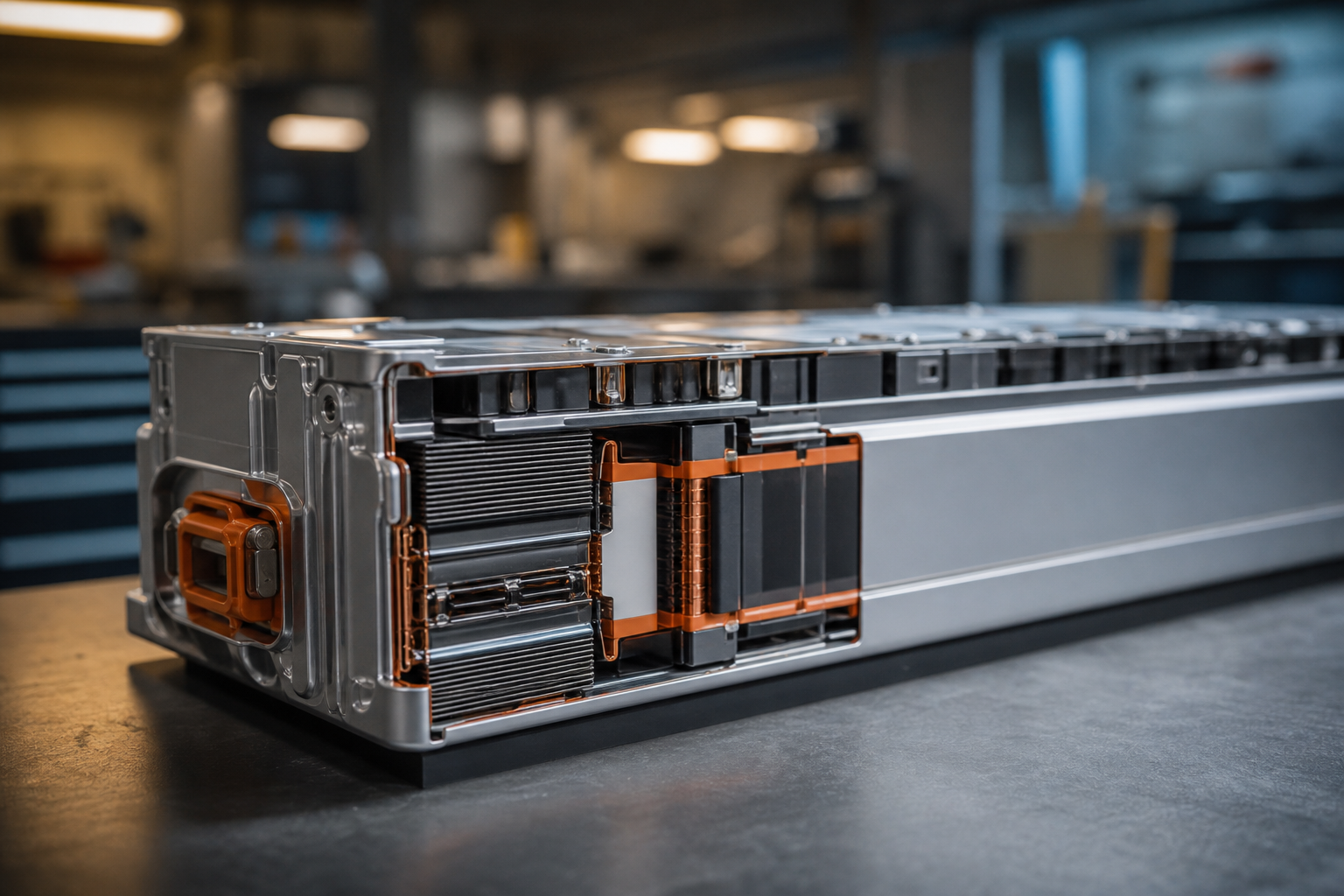
Battery systems have become essential for maintaining uninterrupted operations.
Whether installed in dedicated UPS rooms or integrated into server racks, lithium-ion batteries present unique fire and thermal runaway hazards that require specialized protection strategies.
Key design considerations include:
- Limiting battery capacity within server racks
- Providing appropriate separation between battery installations
- Protecting dedicated UPS rooms with robust fire suppression systems
- Incorporating ventilation and gas detection where required
- Evaluating the limitations of different suppression technologies when lithium-ion batteries are present
It is important to note that clean agent systems should not be considered a standalone solution for lithium-ion battery thermal runaway hazards. Battery installations require a protection strategy based on the specific battery technology, configuration, and applicable standards.
Backup Power Systems
Diesel generators remain a critical component of data center resilience but introduce ignitable liquid hazards through their fuel systems.
Proper containment, drainage, shutdown interlocks, and equipment layout all contribute to reducing overall risk.
Depending on the hazard and application, these areas may require dedicated suppression systems in addition to the facility's main sprinkler protection.
Liquid Cooling Systems
As AI workloads continue to increase power density, liquid cooling technologies are becoming more common.
Depending on the cooling fluid used, these systems may introduce additional combustible or ignitable liquid hazards that must be considered during fire protection system design.
As data center technologies evolve, fire protection systems must evolve with them, taking into account not only the IT equipment but also the infrastructure supporting it.
FireFlex Solutions for Data Center Fire Protection
No two areas of a data center present exactly the same fire risk. A comprehensive strategy may therefore require multiple suppression technologies working together.
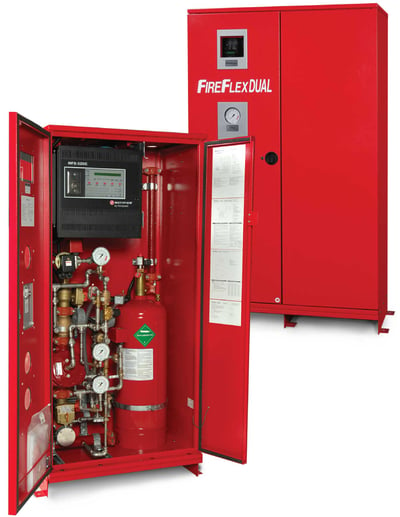
FireFlex systems provide integrated systems that can be selected according to the application and hazard.
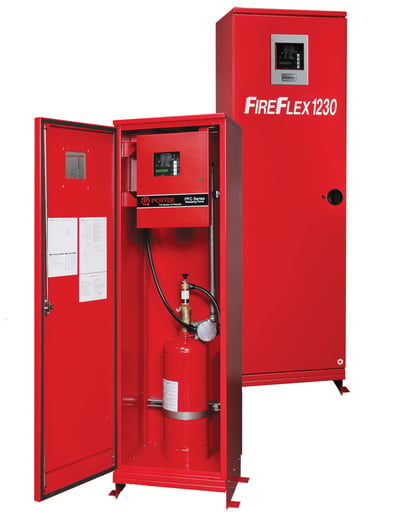
FireFlex 1230: Clean Agent System
Sensitive electronic equipment requires fire suppression that can control a fire while minimizing potential damage to critical assets.
The FireFlex 1230 clean agent system uses FK-5-1-12 clean agent technology for applications where protecting sensitive equipment and maintaining operational continuity are key considerations.
Clean agent systems can be particularly suited to enclosed areas containing high-value electronic equipment, such as:
- Server and IT rooms
- Network and telecommunications rooms
- Control rooms
- Electrical and equipment rooms
- Other critical electronic spaces where water discharge may be undesirable
The FireFlex 1230 system combines fire detection and clean agent suppression components into an integrated solution, helping simplify system design and installation.
For data centers, this can provide an additional layer of protection for areas where the consequences of equipment damage and downtime can be significant.
Learn more about FireFlex 1230
FireFlex VACTEC: Vacuum-Based Protection for Mission-Critical Environments
Data centers require fire protection systems that not only respond quickly to a fire, but also help minimize the risk of unwanted water damage and long-term system maintenance issues.
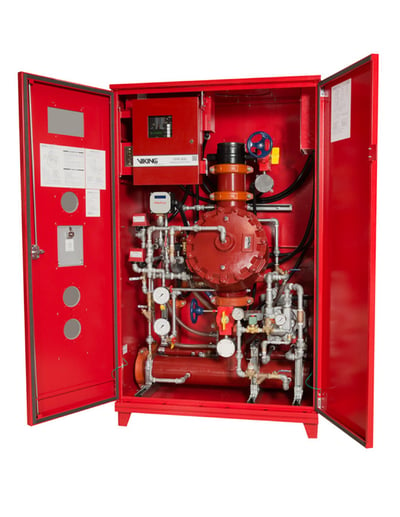
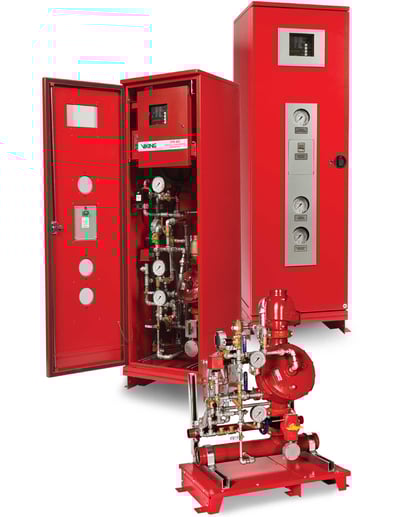
FireFlex VACTEC is an FM Approved vacuum-based fire protection system designed for applications where corrosion, pipe clogging, or water-related concerns can affect sprinkler system performance. By maintaining a monitored vacuum within the sprinkler piping network, VACTEC removes oxygen and moisture from the piping, providing inherent corrosion-inhibiting capabilities.
This makes VACTEC particularly relevant to mission-critical and sensitive environments, including data centers, where maintaining system reliability and protecting critical infrastructure are essential. Under normal conditions, the vacuum prevents water from remaining in the sprinkler piping, helping reduce the risk of unwanted water release from leaks.
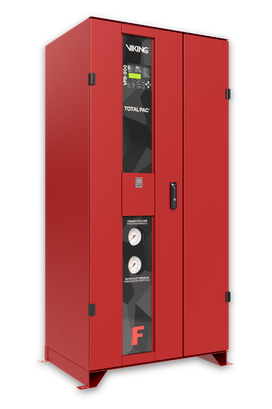
FireFlex TOTALPAC® N2: Nitrogen-Based Preaction Protection for Data Centers
Data centers require fire protection systems that provide dependable water-based suppression while also addressing the long-term challenges associated with dry and preaction sprinkler piping.
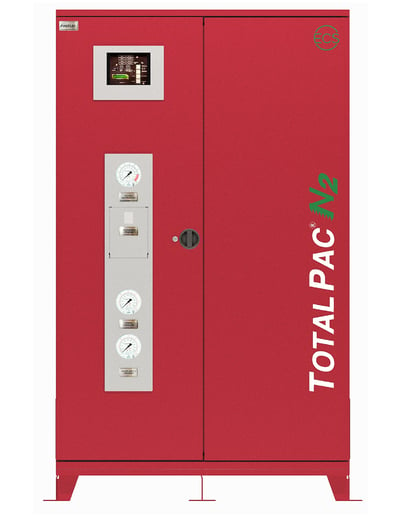
FireFlex TOTALPAC® N2 combines an integrated preaction sprinkler system with a nitrogen generation system in a single, factory-assembled cabinet. The system uses nitrogen within the sprinkler piping to help inhibit electrochemical, galvanic, and microbiologically influenced corrosion, supporting long-term system performance and reducing the risk of premature pipe replacement.
This makes TOTALPAC® N2 particularly well suited to mission-critical environments such as data centers and server rooms, where fire protection system reliability and long-term infrastructure performance are essential. FireFlex specifically identifies TOTALPAC® N2 as one of the potential fire protection solutions for server room applications.
Learn more about the TOTALPAC® N2
Why Early Detection Matters
In a mission critical environment, smoke can cause significant damage long before flames become widespread.
Very Early Warning Fire Detection (VEWFD), such as aspirating smoke detection systems, provides continuous air sampling capable of identifying fire conditions during their earliest stages.
Early detection allows facility operators to:
- Investigate developing issues before significant damage occurs
- Initiate equipment shutdown procedures
- Activate suppression systems more effectively
- Minimize operational downtime
Proper commissioning and testing are equally important to ensure detection systems perform as intended under actual airflow conditions.
Water Based Fire Protection Continues to Lead
FM's recommendations continue to emphasize water based fire protection as the preferred solution for protecting data halls.
When properly designed, sprinkler systems provide the flexibility and reliability needed to control fires involving the combustible materials commonly found within data centers.
Preferred system configurations generally include:
- Wet pipe sprinkler systems
- Non-interlock preaction systems
- Single interlock preaction systems
While double interlock preaction systems may reduce accidental water discharge concerns, they also increase water delivery time, potentially allowing fires to grow larger before suppression begins.
Rapid suppression remains one of the most effective ways to minimize both fire damage and business interruption.
Fire Protection Is Evolving Alongside Data Centers
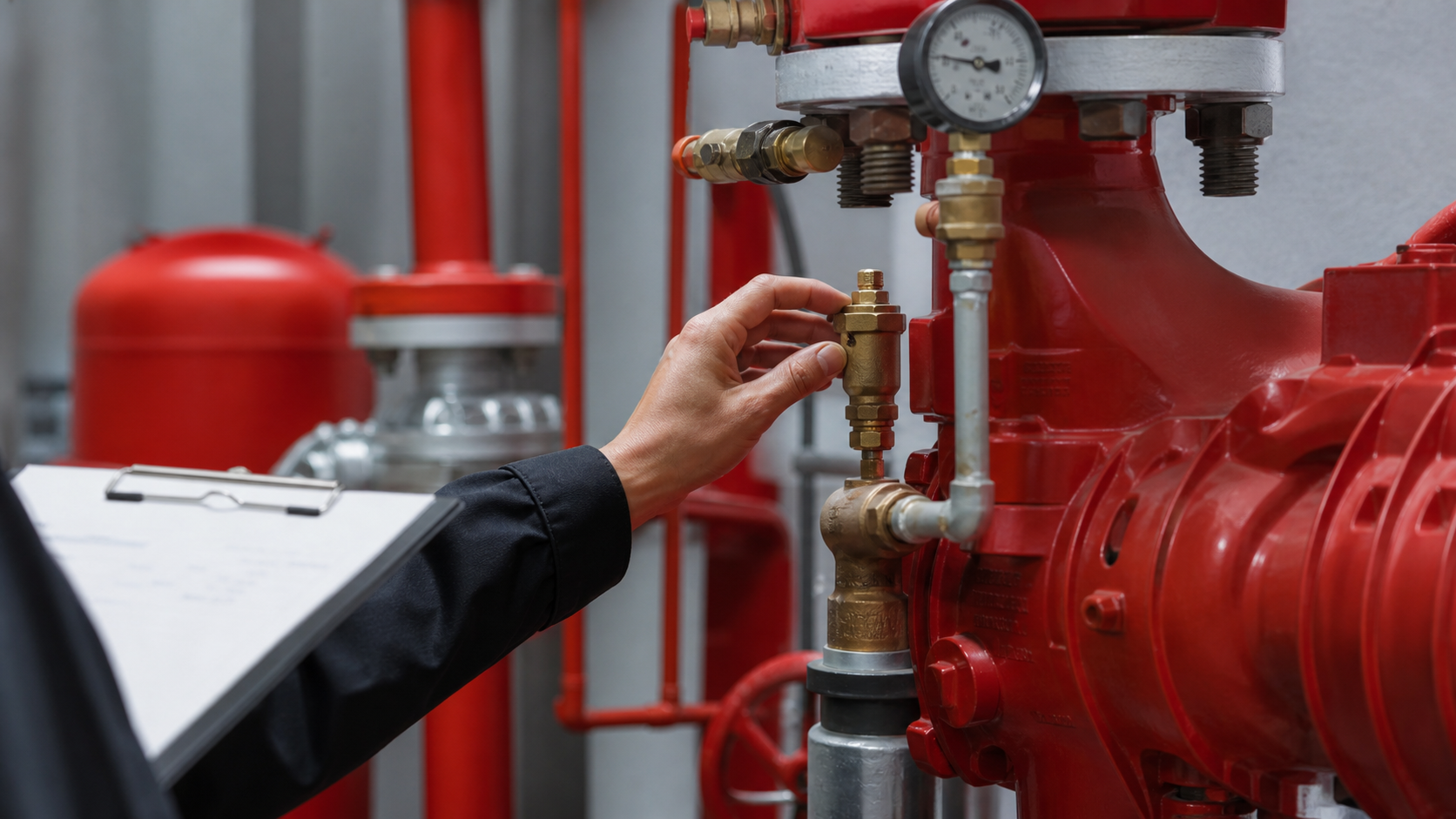
As AI infrastructure continues to expand, new technologies such as higher density server racks, advanced battery systems, and liquid cooling will continue to reshape fire protection requirements.
Successful protection depends on understanding the hazards, implementing early detection, and selecting suppression systems capable of responding quickly and reliably.
FireFlex provides a portfolio of fire protection solutions designed to help address these different challenges, including:
- FireFlex 1230, for clean agent protection of selected sensitive electronic spaces
- FireFlex VACTEC, for specialized hazards involving combustible or ignitable liquids
- FireFlex TN2, for water-based fire protection applications
- Additional FireFlex technologies that can be selected according to the specific requirements of the facility
By combining the right technologies for the right applications, data center owners and design teams can develop a comprehensive fire protection strategy that considers both fire safety and business continuity.
At FireFlex, we work closely with engineers, consultants, contractors, and facility owners to develop integrated fire protection solutions for today's mission-critical environments.
Because when every second of uptime matters, fire protection cannot be left to chance.
.png?width=352&name=A%20Perfect%20fit%20ICAF%20System%20+%20ARK%20Fluorine-Free%20Foam%20Webinar%20(2).png)
.jpg?width=352&name=Untitled%20design%20(1).jpg)