
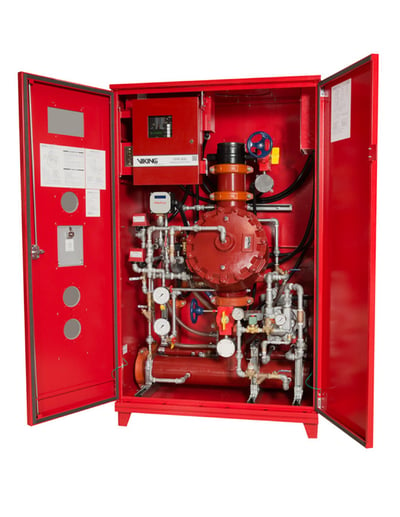
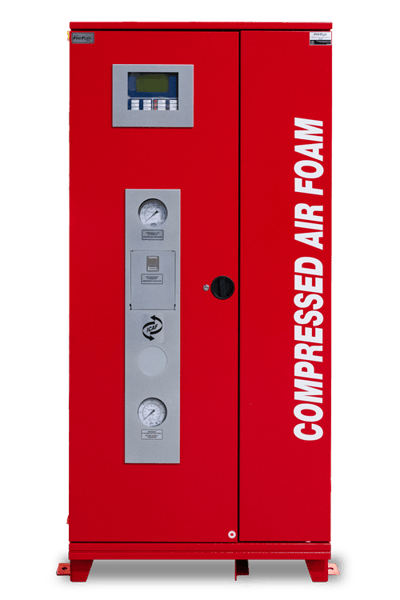
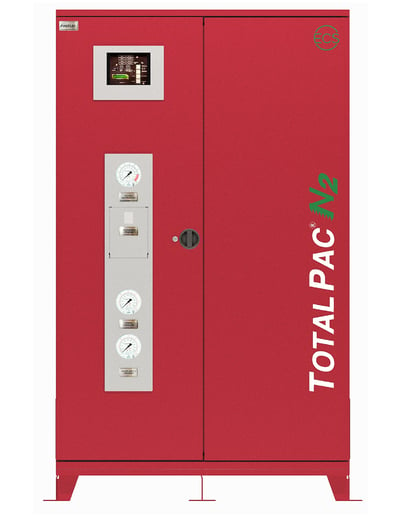
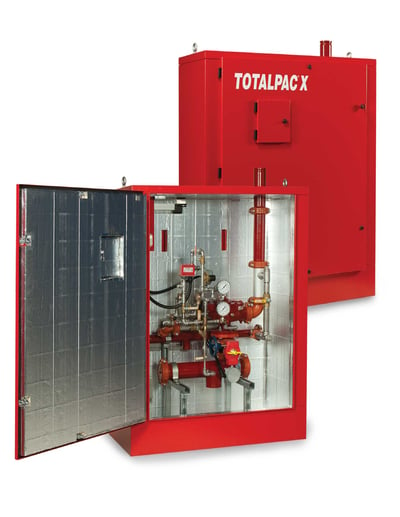
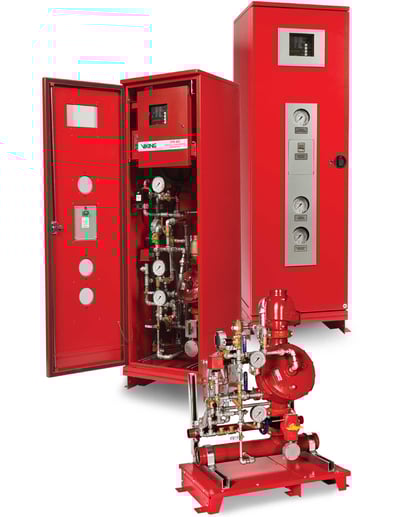




























Compressed air foam systems, commonly called CAFS, are changing how industrial facilities approach fire suppression. By combining compressed air, water, and foam concentrate, these systems create a high-energy foam that adheres to surfaces and extinguishes fires faster than traditional methods. FireFlex delivers advanced CAFS technology through its ICAF System, giving fire protection engineers a proven solution for high-challenge industrial environments.
This article explains how CAFS operates, where it fits in industrial settings, and when you might choose it over standard sprinkler or deluge approaches. If you manage fire safety at a power plant, refinery, aircraft hangar, or manufacturing facility, this guide will help you understand the core principles behind this technology.
Key Takeaways: How Compressed Air Foam Systems Work in Industry
- CAFS mixes compressed air with water and foam concentrate to produce small, stable bubbles that suppress fires quickly.
- These systems can reduce water demand by up to four times compared to traditional foam-water suppression methods.
- CAFS adheres to both horizontal and vertical surfaces, making it effective for pool fires, spill fires, and cascading fires.
- FireFlex offers FM Approved ICAF systems engineered for power generation, oil and gas, aviation, and industrial applications.
- Fire protection engineers should evaluate water availability, hazard type, and NFPA standards when selecting CAFS over sprinklers or deluge.
What Is a Compressed Air Foam System?
A compressed air foam system is a fire suppression technology that injects compressed air into a foam solution to generate small, uniform bubbles. Unlike traditional foam systems that rely on aspirating nozzles to mix air at the discharge point, CAFS creates finished foam solution at the source and delivers it through a fixed-pipe network.
The foam produced by CAFS has a consistency similar to shaving cream. This texture allows the foam to blanket fuel surfaces, cool burning materials, and smother flames by cutting off oxygen. According to research published by the Society of Fire Protection Engineers (SFPE), CAF fixed-pipe systems became commercially viable in the late 1990s following development work at the National Research Council of Canada.
CAFS technology has proven to be three to four times more effective than traditional foam systems and up to thirty times more effective than water alone in certain applications.
How Does CAFS Generate and Deliver Foam?
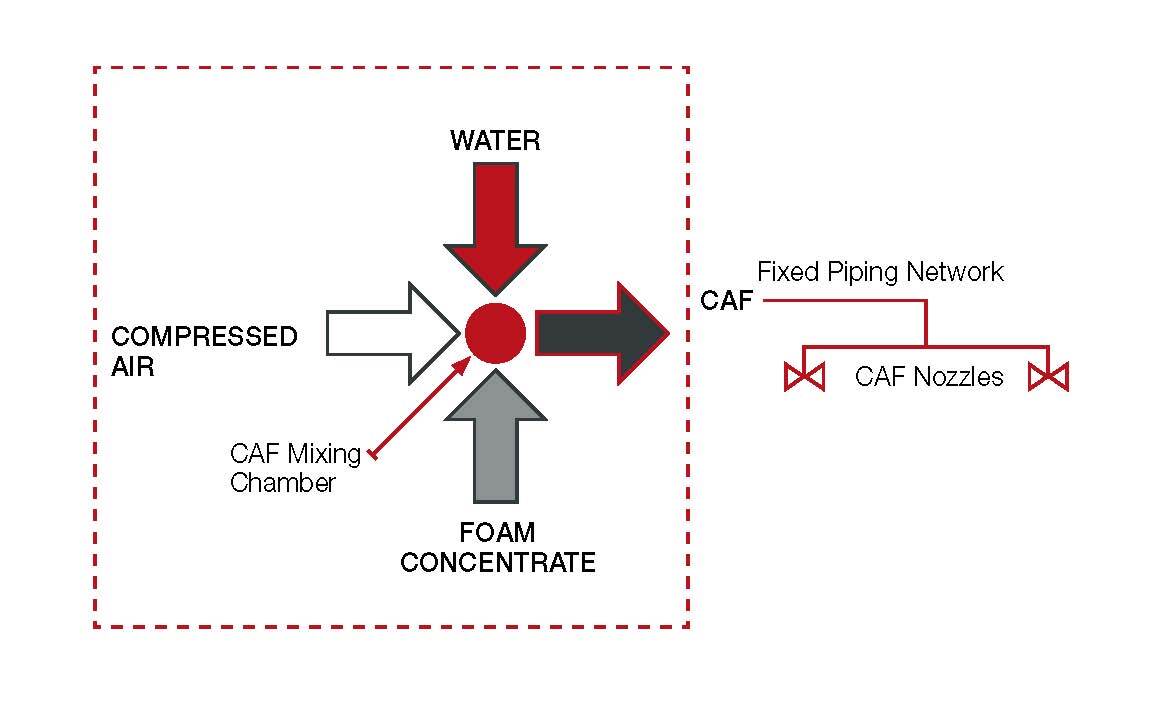
CAFS operates through a process that combines three key inputs: water, foam concentrate, and compressed air. These components are mixed in a specialized chamber where the water, foam concentrate, and compressed air are injected at a calculated ratio to create the CAF solution. The result is a high-momentum foam blanket with excellent expansion, adhesion, and cooling characteristics.
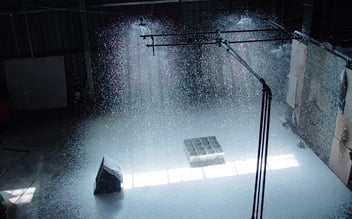
The CAF solution travels through a fixed piping network and is discharged through specially designed rotary nozzles to ensure uniform distribution throughout the protected area. The foam consists of extremely small, densely packed bubbles that provide a very large surface-to-mass ratio. This allows the foam to absorb heat extremely efficiently compared to conventional water sprays and standard foam solutions.
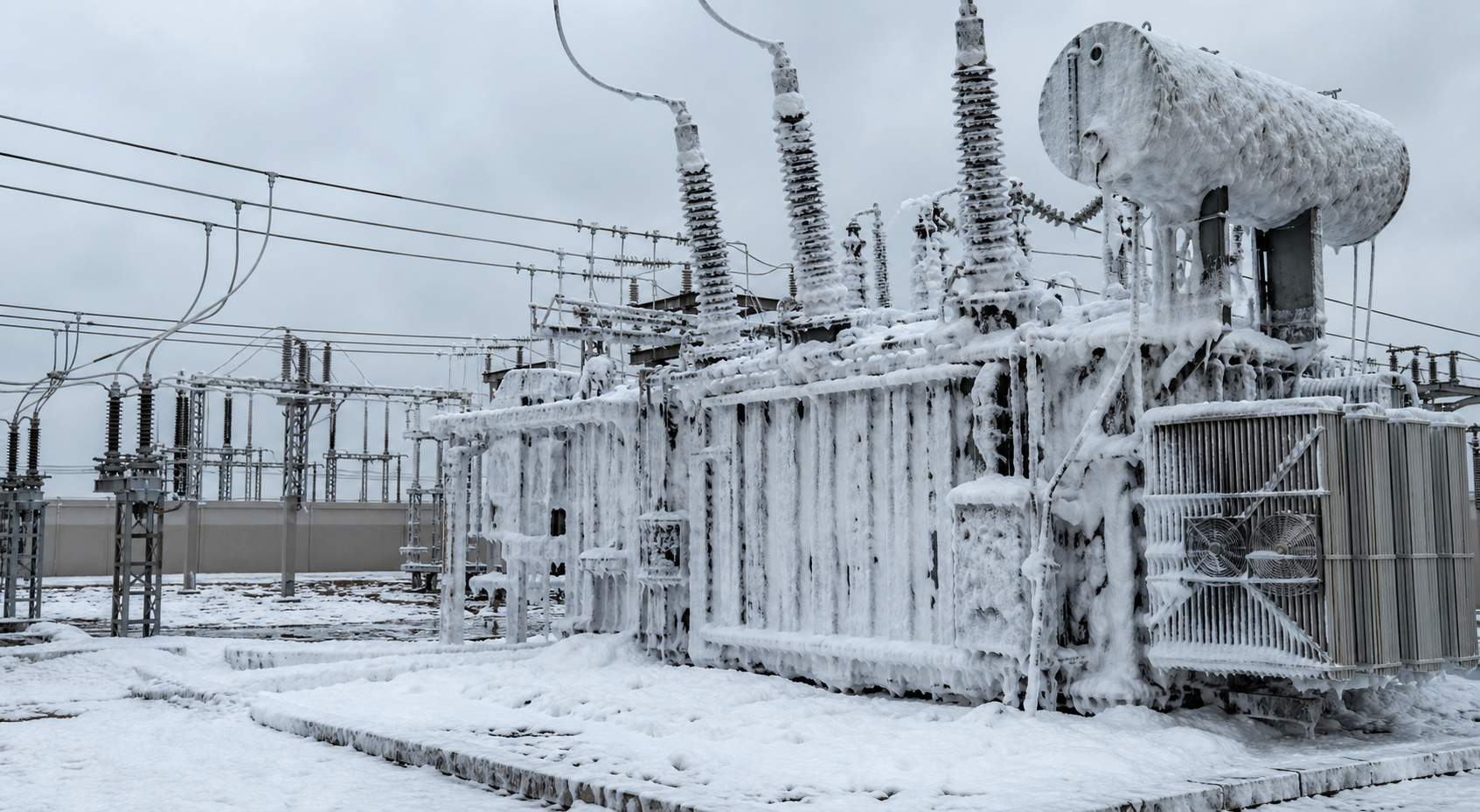
One important advantage is that CAFS foam adheres to vertical, horizontal, and overhead surfaces, forming a stable foam blanket similar in consistency to shaving cream rather than running off. This characteristic makes CAFS particularly effective for protecting transformers, turbine generators, and storage tanks where fire may spread across multiple surfaces.
Why Does CAFS Use Less Water Than Traditional Systems?
CAFS dramatically reduces water consumption because the foam's physical structure does the work of fire suppression more efficiently. The compressed air increases the foam's expansion ratio, meaning each gallon of water-and-concentrate solution produces significantly more firefighting agent.
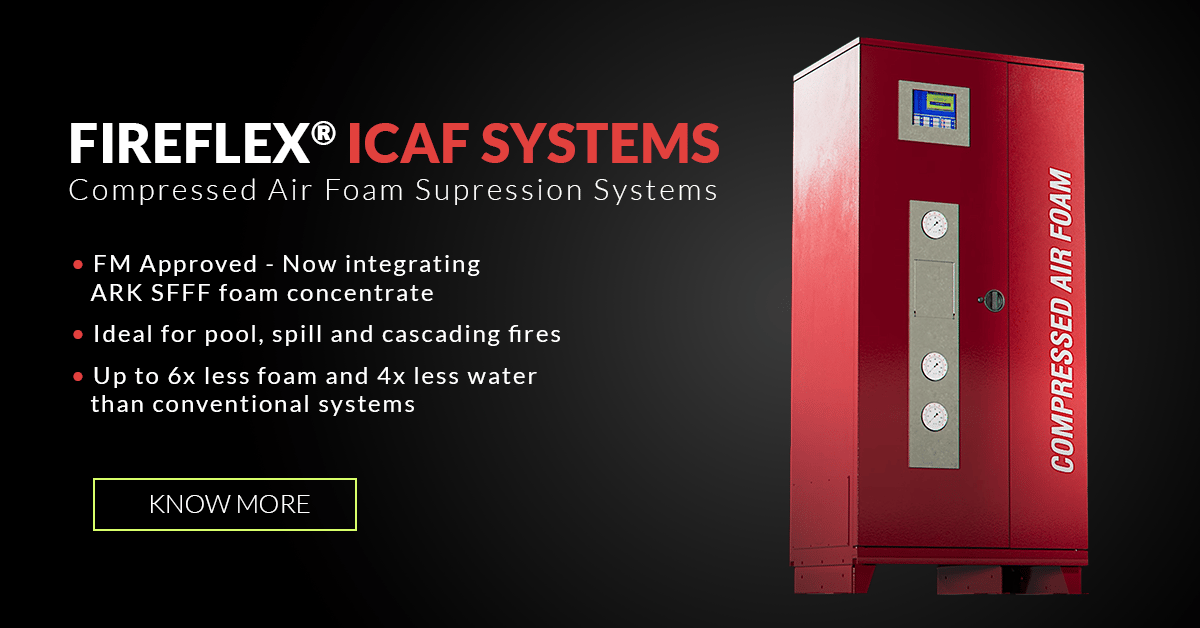
For example, FireFlex's FM Approved ICAF system uses four times less water and up to six times less foam concentrate compared to conventional foam-water systems. This reduction translates to smaller water supply tanks, reduced fire pump requirements, and lower infrastructure costs.
There is a practical benefit too: less water means less cleanup. Industrial facilities that handle hazardous materials or operate expensive equipment often need to manage drainage, containment, and disposal after a fire event. CAFS helps minimize these secondary costs by reducing the volume of water discharged.

What Industrial Applications Work Well with CAFS?
CAFS excels in high-hazard environments where flammable liquids, combustible materials, or critical equipment require rapid fire suppression. Some of the most common industrial applications include:
- Power generation and distribution: Transformers, turbine generators, and nuclear facilities benefit from CAFS because the foam blankets oil-filled equipment and prevents fire spread.
- Oil and gas: Tank farms, refineries, offshore platforms, pump rooms, and lube oil skids face significant flammable liquid risks that CAFS addresses effectively.
- Aviation: Aircraft hangars, heliports, and maintenance facilities need fire protection that can respond instantly to jet fuel spills.
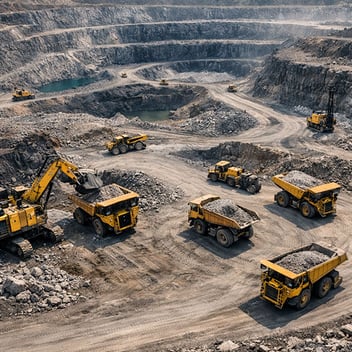
- Mining: Hoistways and combustible liquid storage areas in mining operations require robust suppression that can handle remote locations with limited water supply.
FireFlex designs fire protection systems for machinery and equipment where hydraulic fluids, lubricants, and electrical faults create ignition risks. The ICAF system can be configured with multiple zones and mixing chambers to protect specific hazards or entire facility areas.
How Do You Size a CAFS for Your Facility?
Sizing a compressed air foam system requires careful analysis of the hazard type, protected area, and available water supply. Fire protection engineers typically start by identifying the fuel classification (Class A for ordinary combustibles or Class B for flammable liquids) and the configuration of the hazard (pool fire, spill fire, or cascading fire).
The next step involves determining the minimum foam application density, which is measured in gallons per minute per square foot (gpm/ft²). CAFS systems generally operate at lower densities than conventional foam-water systems. For hydrocarbons, a CAFS might require 0.06 gpm/ft² at a 6% concentration, compared to 0.16 gpm/ft² at 3% for traditional foam-water approaches.
Engineers also must calculate the discharge duration and total system capacity. Factors like pipe routing, nozzle selection, and air supply configuration all affect the final design. FireFlex's hydro-pneumatic calculation software helps specifying engineers size ICAF systems accurately for each unique application.
When Should You Choose CAFS Over Sprinklers or Deluge?
Standard wet-pipe sprinklers work well for ordinary hazard occupancies, but they may not be the right choice for high-challenge industrial risks. Here are several scenarios where CAFS offers clear advantages:
Limited water supply: Remote facilities, offshore platforms, and small regional airports often lack access to large-capacity water mains. CAFS reduces water demand, making protection feasible where it would otherwise be impractical.
Flammable liquid hazards: Sprinklers can spread burning liquids rather than extinguish them. CAFS foam forms a barrier that suppresses vapors and smothers flames on both horizontal and vertical surfaces.
Mission-critical operations: Power plants, and manufacturing lines cannot afford extended downtime. CAFS minimizes water damage and speeds cleanup, helping you return to normal operations faster.
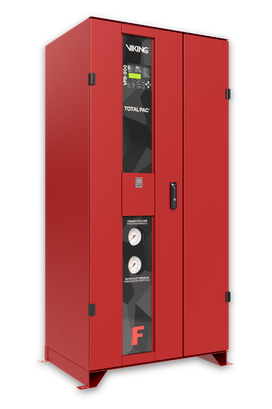
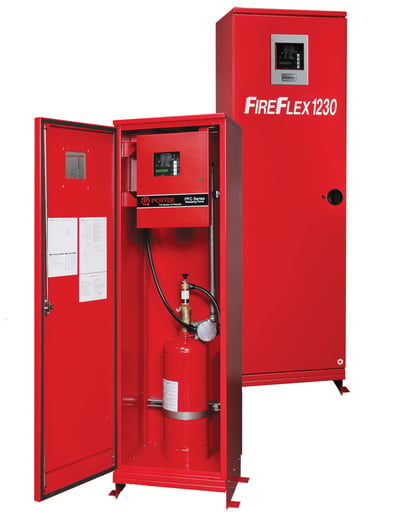
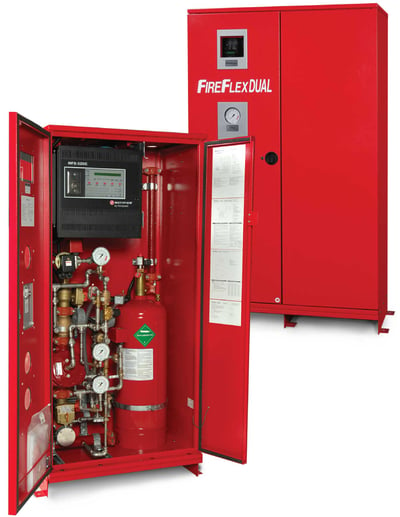
Space constraints: Integrated CAFS cabinets like the FireFlex ICAF occupy less floor space than separate pump, tank, and foam proportioning systems. This compact design suits facilities with tight equipment layouts.
What Standards Govern CAFS Design and Installation?
Fire protection engineers must reference several NFPA standards when specifying CAFS. The primary document is NFPA 11: Standard for Low-, Medium-, and High-Expansion Foam, which incorporated compressed air foam systems beginning with the 2010 edition.
Additional standards may apply depending on the facility type. NFPA 850 covers fire protection for electric generating plants, while NFPA 851 addresses hydroelectric facilities. Aircraft hangars fall under NFPA 409. Industrial machinery protection references NFPA 79 for electrical requirements.
FM Approvals also play a critical role in system acceptance. The FireFlex ICAF system holds FM Approval as a local application extinguishing system for Class B pool fires, spill fires, and cascading fires. This third-party certification gives facility owners and insurers confidence that the system meets rigorous performance standards.
In Conclusion: Evaluating CAFS for Your Industrial Fire Protection Needs
Compressed air foam systems offer fire protection engineers a powerful tool for safeguarding high-hazard industrial environments. By combining compressed air, water, and foam concentrate, CAFS produces a stable, adhesive foam that suppresses fires faster while using significantly less water and foam concentrate than traditional systems.
If you are responsible for fire safety at a power plant, refinery, hangar, or manufacturing facility, consider whether your current protection adequately addresses flammable liquid hazards, water supply limitations, and operational continuity requirements. FireFlex delivers FM Approved ICAF systems that meet NFPA standards and reduce infrastructure costs through reduced water and foam demand.
FAQs About How Compressed Air Foam Systems Work in Industry
How does compressed air foam differ from regular firefighting foam?
Regular foam typically mixes air with foam solution at the nozzle through aspiration. Compressed air foam injects air under pressure at the source, creating smaller, denser bubbles with longer drain times. This structure improves heat absorption and surface adhesion.
FireFlex's ICAF System generates CAF with a 10:1 expansion ratio, producing foam that sticks to vertical surfaces and resists burnback more effectively than aspirated foam.
Can CAFS protect both Class A and Class B fires?
Yes, CAFS can address both fire classes depending on the foam concentrate used. Class A foams work on ordinary combustibles like wood and paper. Class B foams tackle flammable liquids such as gasoline, diesel, and solvents.
FireFlex integrates fluorine-free ARK SFFF foam concentrate into its ICAF systems, delivering effective suppression for Class B hazards while supporting environmental sustainability goals.
What maintenance does a fixed-pipe CAFS require?
Fixed-pipe CAFS needs regular inspection of air cylinders, foam concentrate levels, piping integrity, and discharge nozzles. Most systems require periodic testing to verify proper foam quality and system activation.
FireFlex Systems tracks every unit by serial number, enabling efficient service call management and replacement part ordering. Factory-tested cabinets arrive ready for installation with documented inspection records.
Is CAFS more expensive to install than sprinklers?
Initial equipment costs for CAFS typically exceed basic wet-pipe sprinklers. However, reduced water supply infrastructure, smaller drainage systems, and lower foam concentrate consumption often offset the difference.
For high-hazard environments where water availability is limited or flammable liquid risks are significant, FireFlex's ICAF system can lower total project costs compared to building out traditional foam-water deluge protection.
How quickly does CAFS suppress a fire compared to water?
CAFS suppresses fires faster than plain water because the foam's structure absorbs heat more efficiently and smothers flames by excluding oxygen. Test data indicates CAFS can be three to four times more effective than traditional foam and up to thirty times more effective than water in specific scenarios.
FireFlex engineered the ICAF system for rapid deployment with electric, pneumatic, or manual release options to ensure immediate response when detection systems activate.
.png?width=352&name=A%20Perfect%20fit%20ICAF%20System%20+%20ARK%20Fluorine-Free%20Foam%20Webinar%20(2).png)