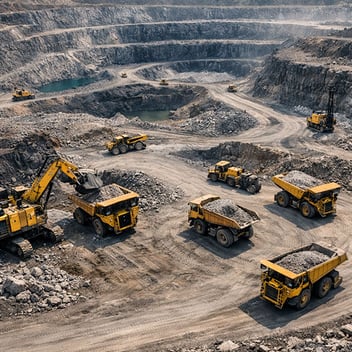



























Modern mining facilities rely on complex mechanical systems, processing equipment, and maintenance operations to support continuous production. These environments often combine heavy machinery, electrical equipment, hydraulic systems, and combustible dust, creating conditions where fire hazards can develop.
Processing areas, maintenance equipment spaces, and material storage zones represent some of the most significant fire risks in mining operations. When ignition occurs in these environments, fires can spread quickly and disrupt critical production activities.
To mitigate these risks, engineers must implement fire protection systems designed for early detection and rapid suppression.
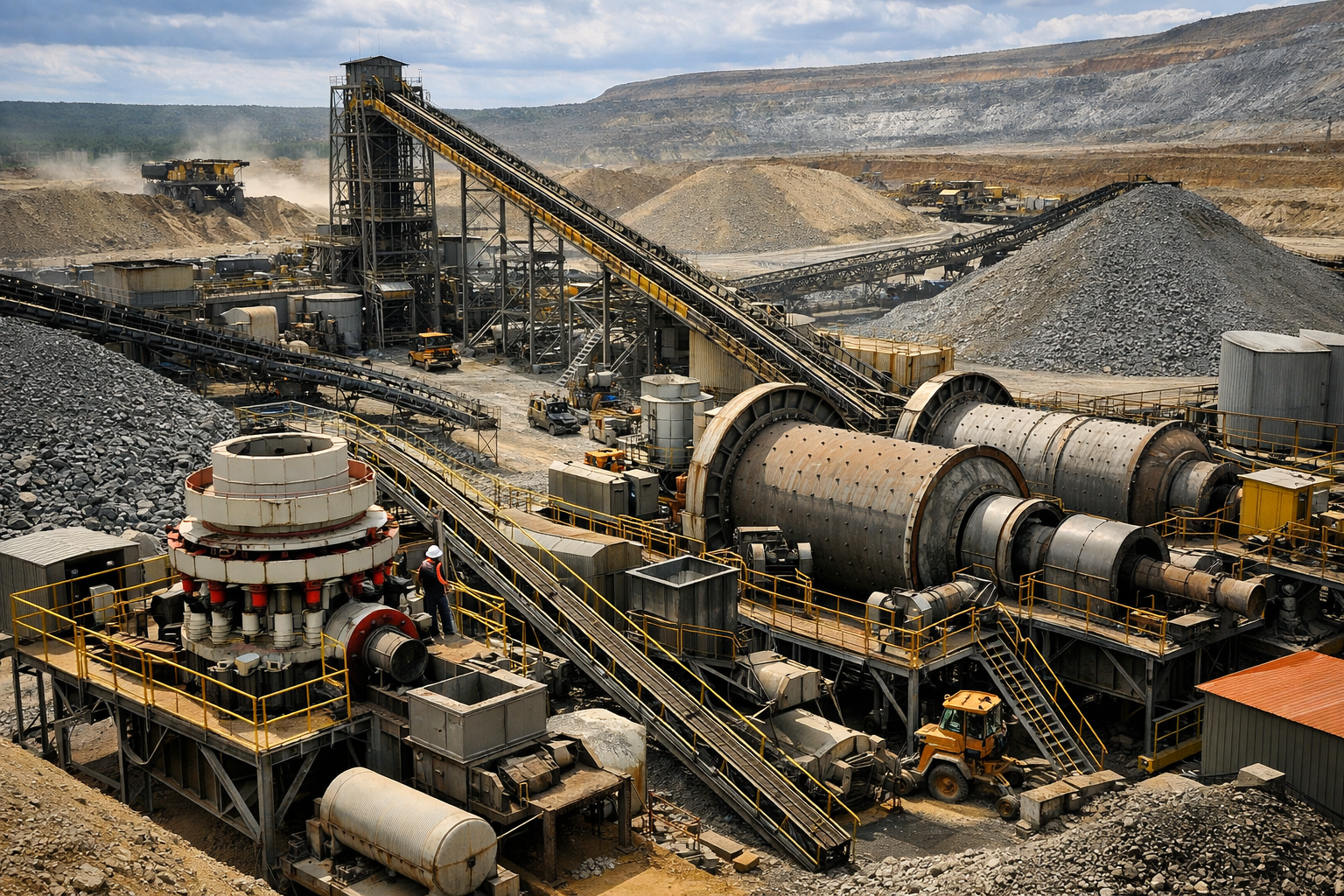
What causes fires in mining process and equipment areas?
Several operational and mechanical factors can contribute to fire incidents in mining facilities.
Common causes include:
- Overheated mechanical components
- Friction between moving equipment parts
- Electrical faults in motors or control panels
- Combustible dust accumulation
- Hydraulic fluid leaks near hot surfaces
- Material buildup around machinery
These conditions can create ignition sources capable of starting fires in areas where critical equipment is located.
Properly designed fire protection systems help detect and control these incidents before they affect surrounding operations.
Why can fires spread quickly in mining facilities?
Mining environments often contain interconnected production areas filled with equipment, materials, and ventilation systems.
Several factors can contribute to rapid fire development:
- Continuous equipment operation
- Dust accumulation
- Ventilation airflow used in mining operations
- Flammable oils and lubricants
- Concentrated mechanical equipment in process and maintenance areas
Industry standards such as NFPA 122 emphasize the importance of detecting fires early and activating suppression systems quickly in these environments.

What fire protection solutions can protect mining facilities?
Mining facilities often require different fire protection solutions depending on the environment and the equipment being protected.
Some commonly used technologies include:
🔴 Clean agent systems
Ideal for protecting sensitive electrical equipment, control rooms, data infrastructure, or expensive machinery where water could cause damage.
🔴 Water-based sprinkler systems
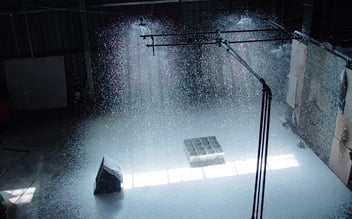
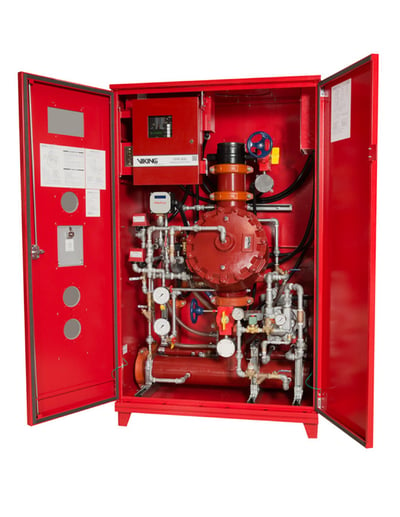
Provide dependable suppression in equipment rooms, storage areas, and production spaces.
🔴 Foam systems
Used in environments where flammable liquids or oils may be present.
Selecting the right system depends on the specific hazard, operating conditions, and the type of equipment being protected.
FireFlex® Insight
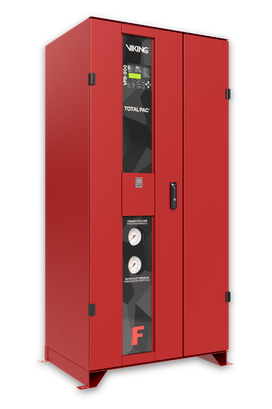
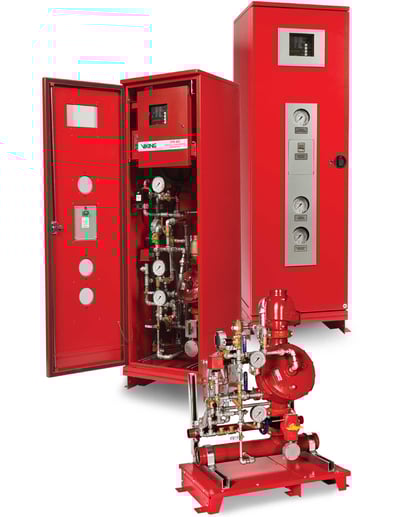
Integrated fire protection cabinets can simplify installation while delivering protection close to high-risk equipment.
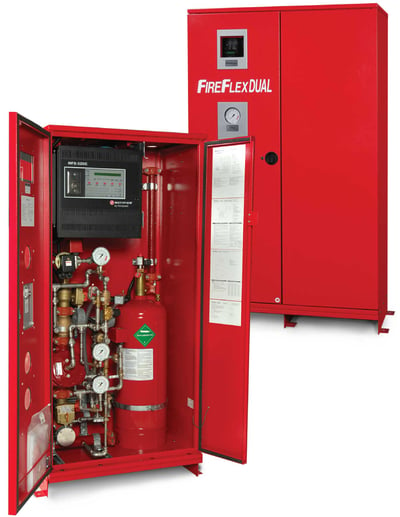
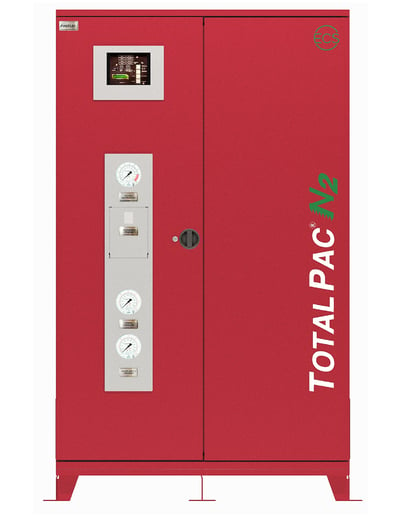
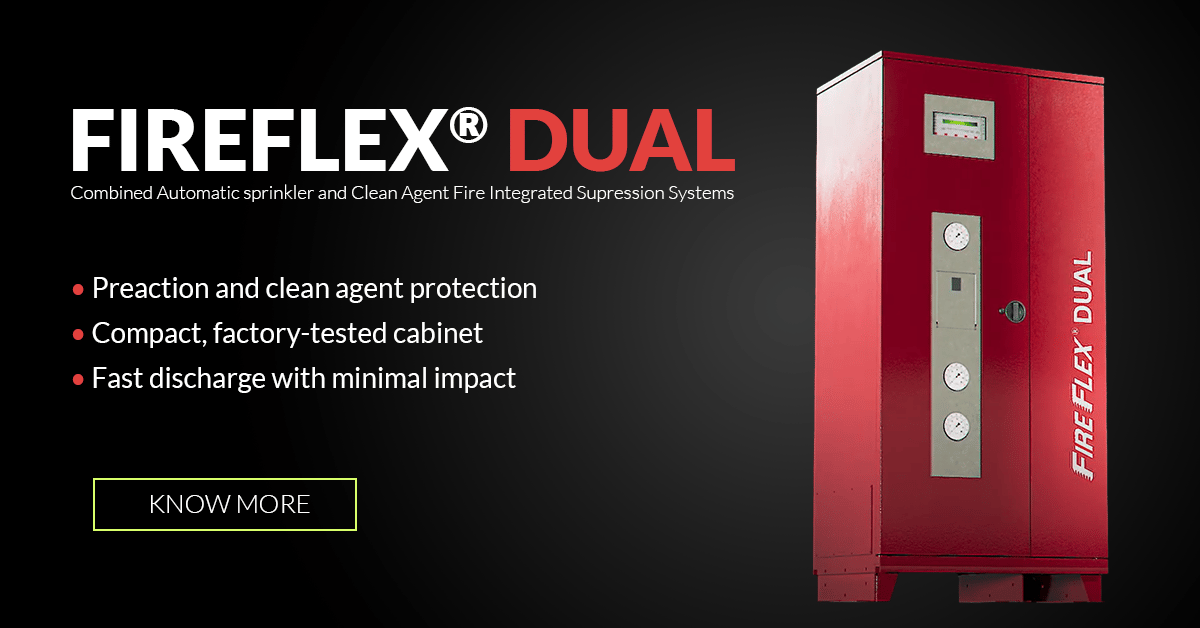
The FireFlex® DUAL system combines a clean agent (FK-5-1-12) with a preaction system within a single cabinet and releasing panel. This dual approach allows fires to be suppressed quickly while providing a secondary layer of protection.
In environments where water-sensitive equipment is present, such as electrical rooms, control systems, or specialized machinery areas, this combination can help protect both equipment and operations.
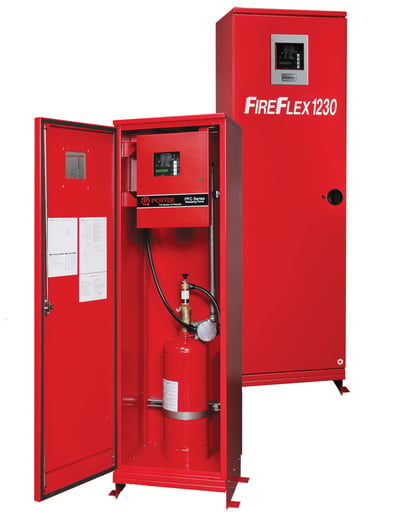
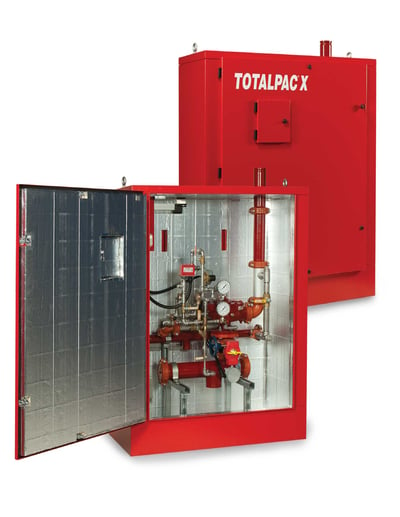
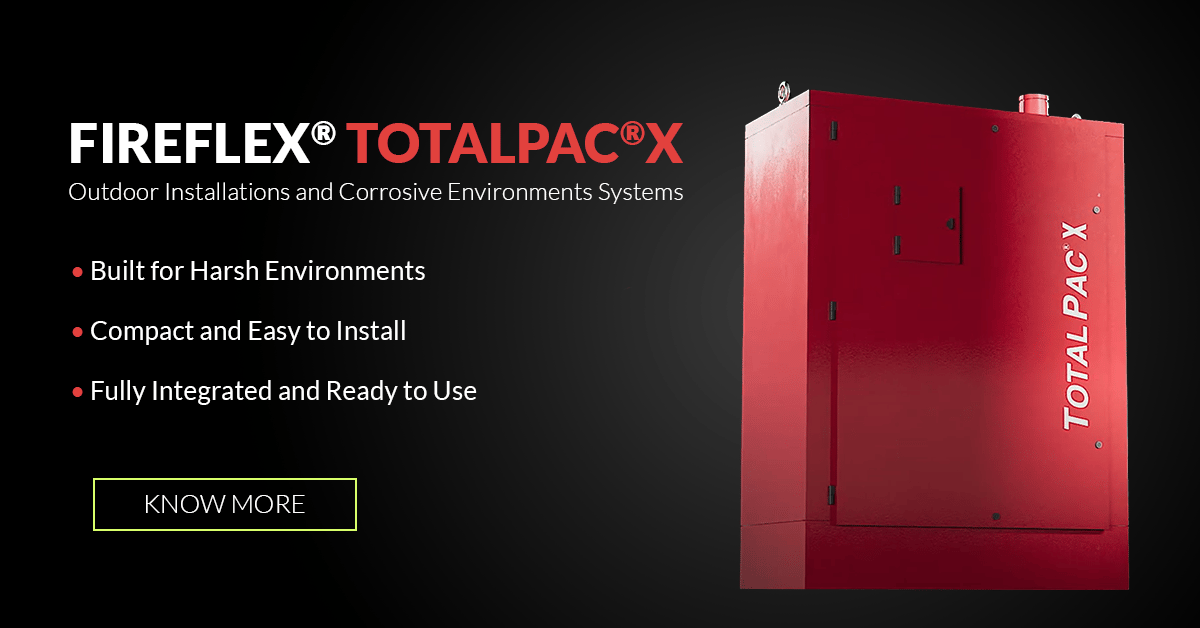
For outdoor installations, unheated buildings, or corrosive environments, the FireFlex® TOTALPAC X system provides a robust integrated solution designed specifically for harsh industrial conditions. These environments often present additional challenges such as freezing temperatures, humidity, or exposure to the elements.
Using integrated systems allows fire protection equipment to be installed closer to the hazards while simplifying installation and maintenance.
Application Example: Protecting Fuel Storage and Maintenance Areas
Fuel storage and refueling areas represent significant fire hazards in mining facilities due to the presence of diesel fuel, lubricants, and hydraulic fluids. Effective fire protection systems for these areas typically require suppression technologies designed specifically for flammable liquid hazards.
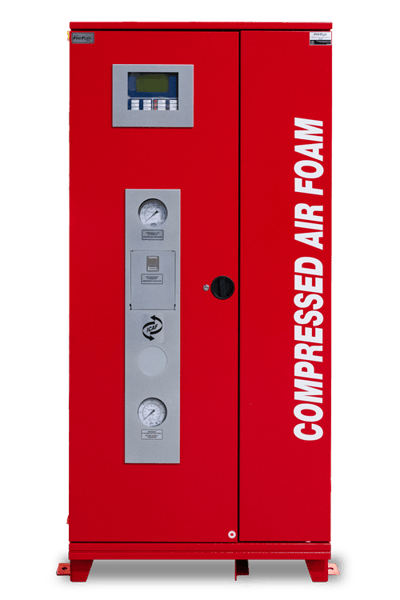
Compressed air foam systems are particularly effective in these environments because they create a stable foam blanket that suppresses flames and prevents vapor release. The FireFlex® ICAF system, a compressed air foam (CAF) technology, mixes water, foam concentrate, and compressed air to produce a highly expanded foam capable of rapidly controlling Class B flammable liquid fires.
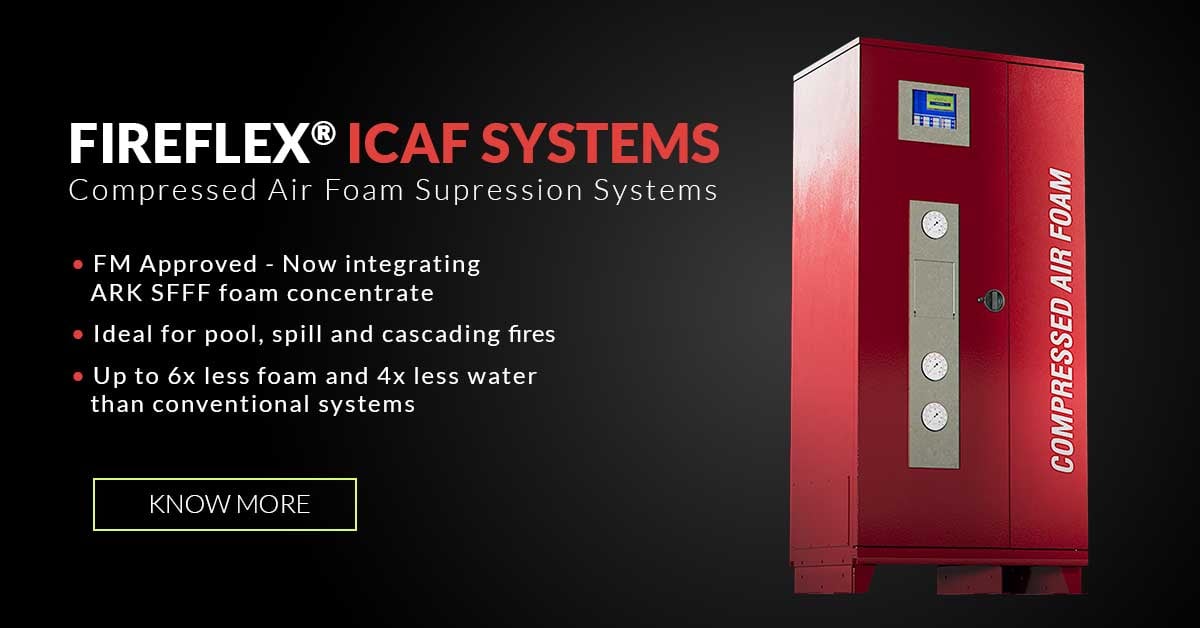
One of the advantages of ICAF technology is its low water consumption. Compared to traditional deluge or foam-water systems, ICAF requires only a fraction of the water volume to achieve effective suppression. This is especially valuable in remote mining locations where water supply can be difficult or costly to source. FireFlex® can also provide a fully independent system, including its own water supply stored in pressurized vessels, this approach eliminates the need for a dedicated on‑site water source.
Additionally, the ICAF system automatically shuts down after the design discharge time. Because the total water volume released is minimal, the civil work required for containment can be significantly reduced, lowering project costs and simplifying site preparation.
This type of fire suppression system is well suited for protecting fuel handling areas, equipment maintenance shops, and other industrial hazards commonly found in mining facilities.
Conclusion
Process areas, maintenance equipment spaces, and material storage zones represent significant fire risks in mining operations due to heavy machinery, combustible materials, and continuous industrial activity.
Protecting these environments requires fire protection systems that detect hazards early and respond quickly.
Standards such as NFPA 122 provide guidance for implementing effective fire protection solutions in mining facilities.
Integrated solutions such as FireFlex® DUAL, FireFlex® TOTALPAC® X and ICAF technology are designed to protect critical equipment and support safe operation in demanding industrial environments.